Planning
Best Times to Visit the New Forest: A Month-by-Month Guide
2026-04-24
The New Forest reveals different faces throughout the year, and the best time to visit depends on what you hope to experience. Understanding the seasonal rhythms will help you plan the perfect trip.
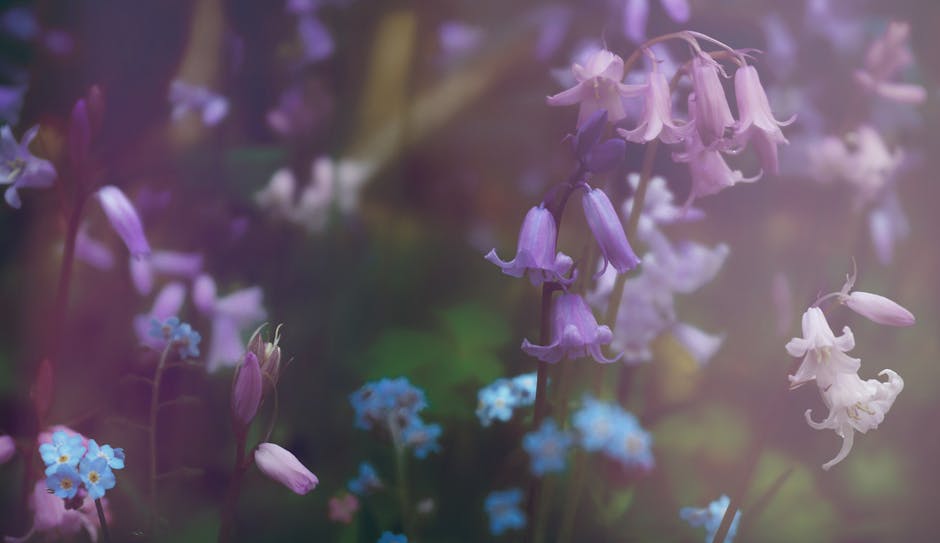
Spring (March to May) is magical for flower lovers. April and May bring carpets of bluebells across the forest floor, creating one of Britain's most spectacular natural displays. The weather is mild, and baby animals—foals, calves, and fawns—are visible alongside their mothers. However, April to July is bird nesting season, so some areas may have restricted access, and dogs must be kept on leads.
Summer (June to August) brings the warmest weather, making it ideal for families and those who enjoy outdoor activities. The forest is lush and green, and long days mean extended visiting hours. However, this is peak tourist season, so popular spots become crowded, and accommodation prices rise accordingly. Early mornings and weekdays offer quieter experiences.
Autumn (September to November) is perhaps the most underrated season. September remains warm with fewer crowds than summer. October and November transform the forest into a landscape of golden and russet tones, with the open heathland turning purple with heather blooms. The autumn rut (mating season) makes November particularly interesting for wildlife enthusiasts. Weather becomes increasingly unpredictable, but clear autumn days are stunning.
Winter (December to February) is quiet and atmospheric. Frost creates sparkling morning landscapes, and the bare trees reveal vistas normally hidden by foliage. Christmas markets and festive events run throughout December, and New Year walks are popular. However, winter brings cold, wet weather, shorter daylight hours, and occasional snow that can close roads. It's perfect for those seeking solitude and moody landscapes.
Special considerations: Bank holidays and school holidays (Easter, summer, half-terms, Christmas) attract significantly more visitors. If you prefer peaceful exploration, visit midweek outside school holidays. Conversely, if you're planning family activities or special events, these busy periods offer more facilities and organised activities.
Weather-wise, May through September offer the most reliable conditions, though rain is possible any time. Spring and autumn provide excellent compromises between weather and crowds. Winter requires proper preparation but rewards visitors with serene beauty.
For photography, early morning light in autumn and spring is exceptional. For cycling and walking, spring through autumn offer the most comfortable conditions. For wildlife watching, autumn and winter provide the best opportunities to see deer and other animals moving through the forest.
Ultimately, there's no truly "bad" time to visit the New Forest. Each season offers distinct pleasures, and the best time is whichever suits your interests and schedule. Many visitors find themselves returning multiple times to experience the forest's full cycle.